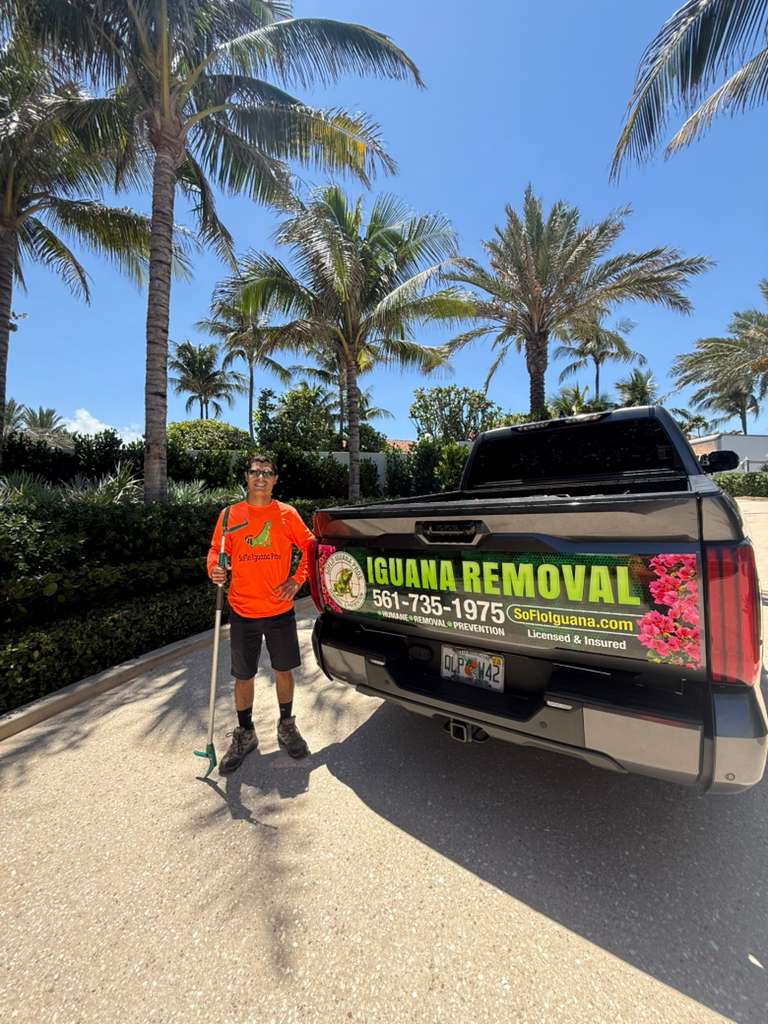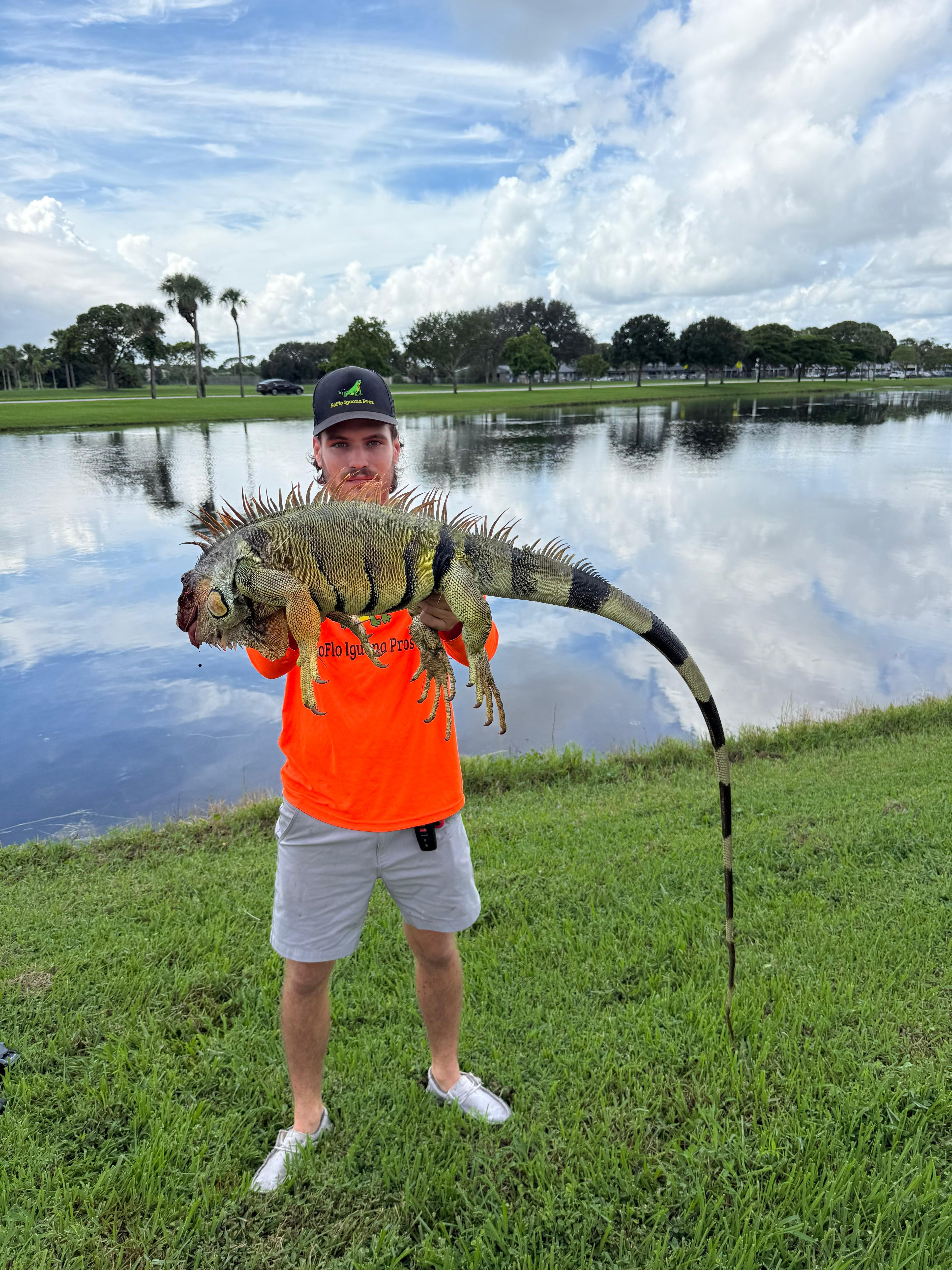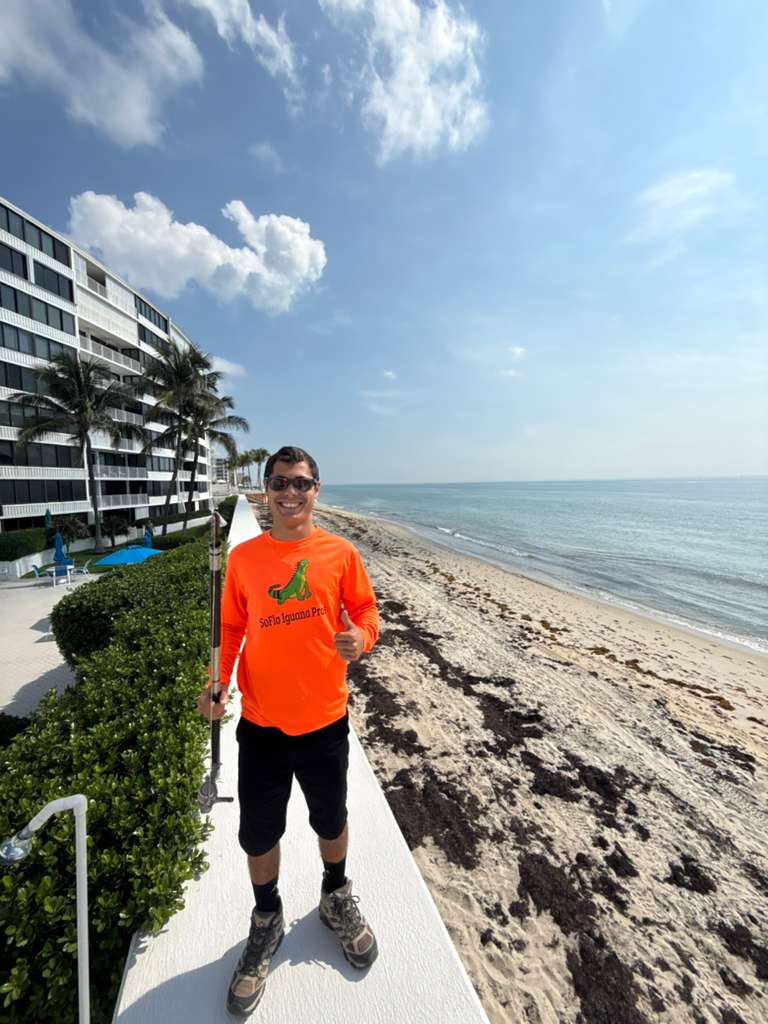
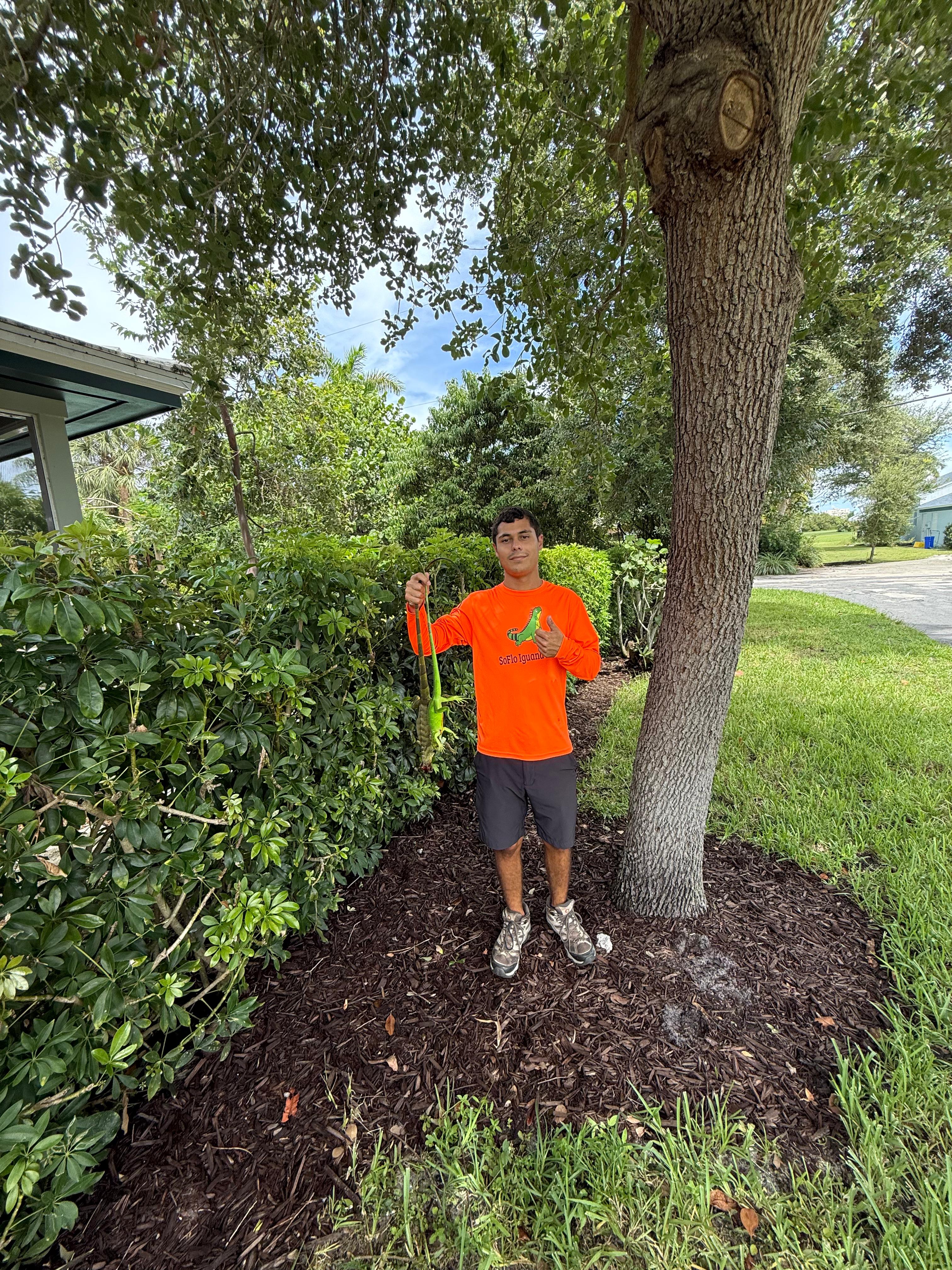
A trapping program is different from a single clear-out. Instead of one visit, we set humane traps on the exact runs and basking spots iguanas are using and check them on a schedule, so pressure drops week over week instead of resetting every time an animal swims back onto the property. Programs like this start from $99 a month for a residential property.
For a community — an HOA lake, a golf course, a commercial waterfront — the program is quoted to the property. We map the bank, count the burrows and runs, and price the schedule around what it actually takes to hold the numbers down. That's the only honest way to price miles of retention-lake edge.
Why trapping is monitored, not one-and-done
On the water, a single pass never gets everything. Some iguanas are submerged, some are off-property, and some are hatchlings you'll only see once they've grown. A monitored trap line works those routes over time. Each week we're removing the ones a one-off visit misses and reading the property to move traps to where the activity actually is.
That's why the reviews that mention a program describe weekly visits over several weeks — coming once a week and removing iguanas and nests until the numbers are genuinely down. It's a process, not a single event, and the monthly price reflects that steady work.
What the monthly program includes
The residential program from $99 a month is built to keep pressure off a property that keeps drawing iguanas back.
- Scheduled removal and trap monitoring
- Traps set on active runs and basking spots, moved as activity shifts
- Seasonal plan adjustments through breeding season
- Priority same-day emergency calls
- Month-to-month — no lock-in contract
Community trapping programs
For an HOA, golf course, or commercial waterfront, we start with a free assessment and map the lake banks and seawalls. The quote is built around the bank footage, the number of shared burrows and runs, and how heavy the population has gotten. You get service records and reporting the board or club can keep on file, plus a single point of contact. Because it's scoped to the site, a small association with one lake and a gated community with miles of bank land on very different numbers.
Common questions
Why is trapping ongoing rather than one-and-done?
On water, some iguanas are submerged or off-property during any single visit. A monitored trap line works the routes over time and catches the ones a one-off pass misses.
What does a community trapping program cost?
It's quoted after a site assessment, because it depends on how much lake bank and seawall we're covering. The assessment is free and the quote is in writing.
How long before I see the population drop?
It varies with the property, but most see the pressure ease over the first few weeks of scheduled visits. On heavy waterfront it's a season-long job to hold it down, which is why the program runs month to month.