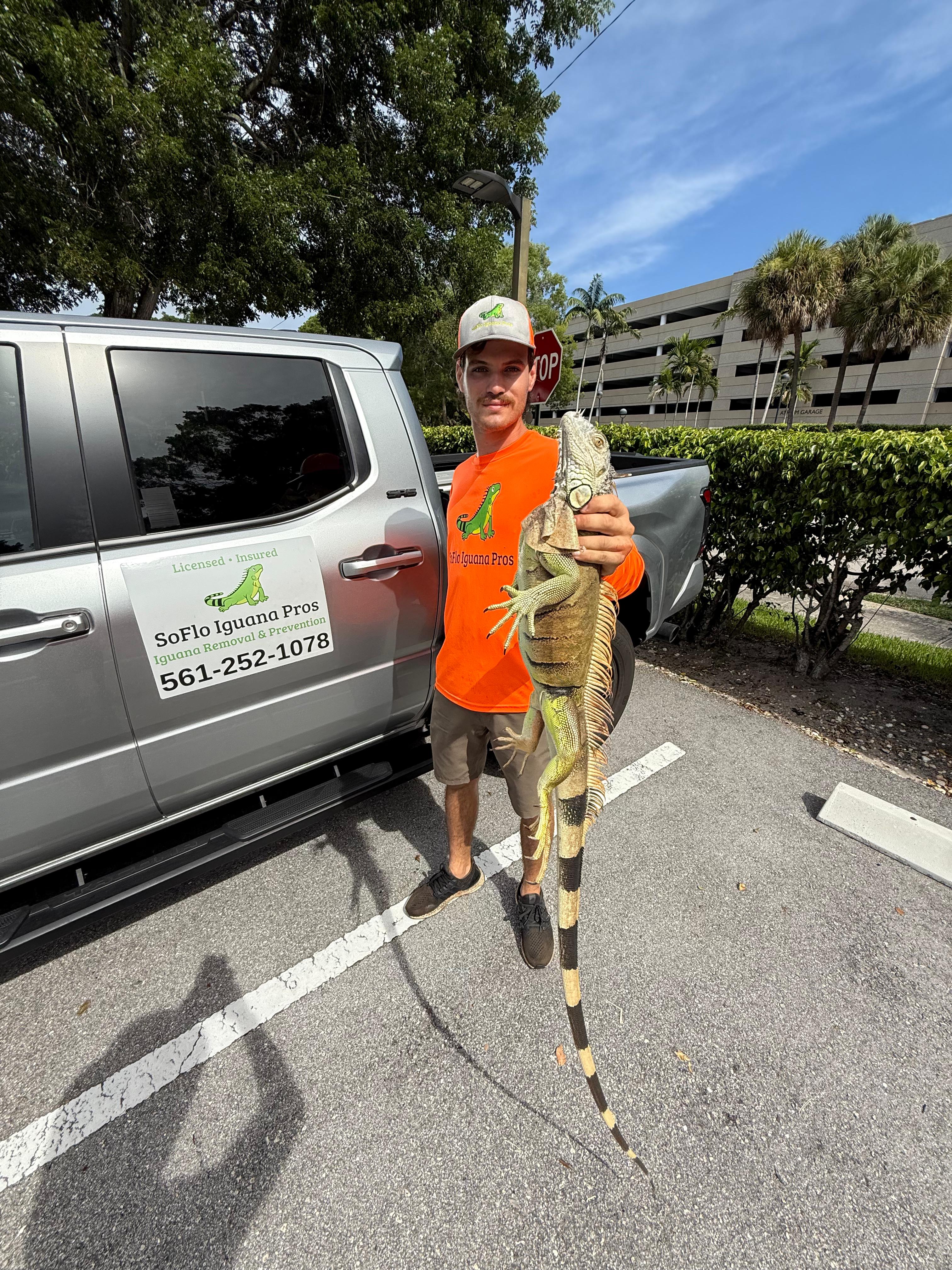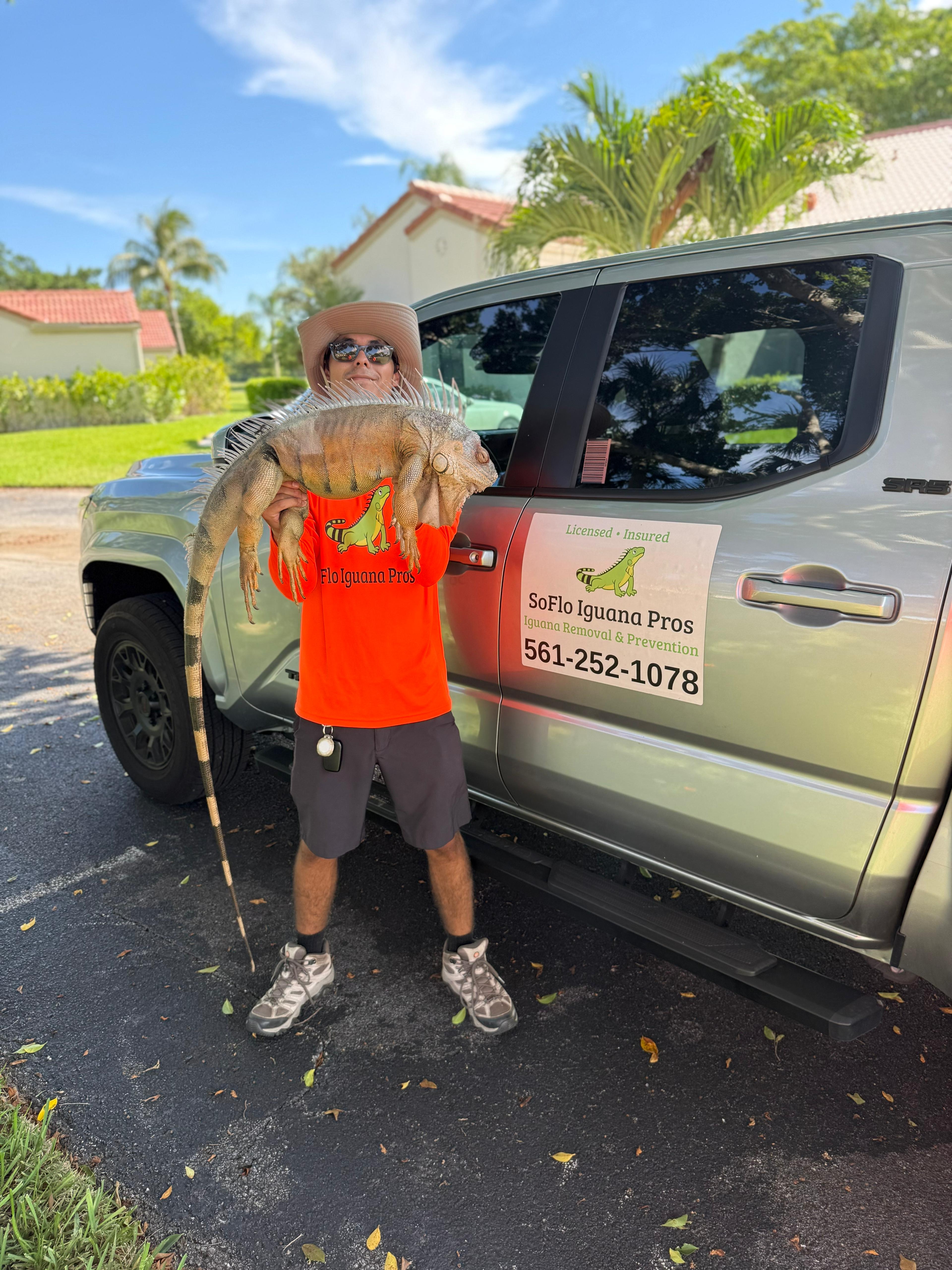
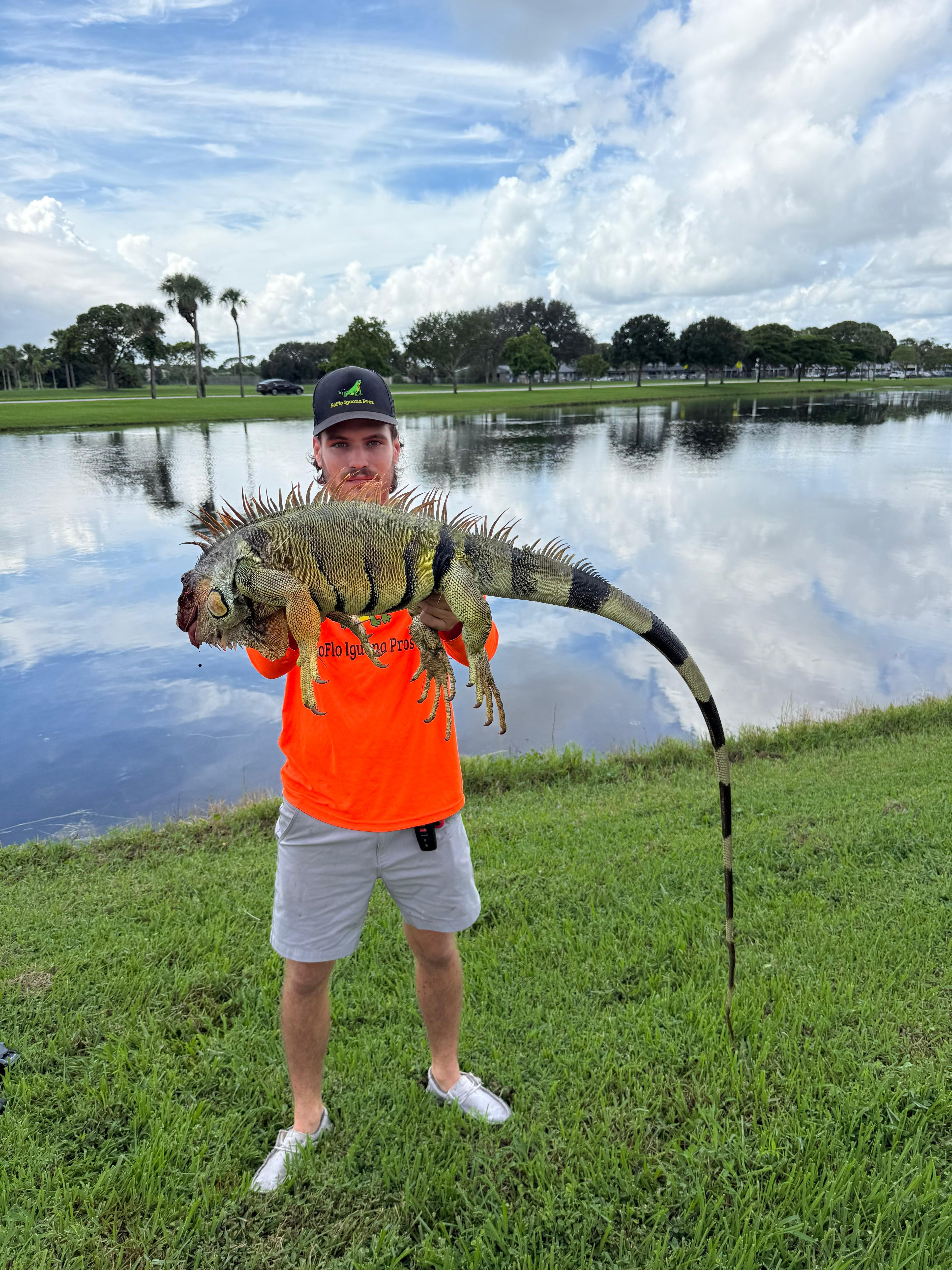
Mothballs, garlic spray, a cold winter, setting them free up the road — here are the seven things people believe that quietly waste their money.
I spend a fair amount of every property walk gently undoing things people read online. There's a whole folklore around getting rid of iguanas, and most of it is either useless or actively counterproductive. Here are the seven myths I run into most, and the honest version of each.
None of this is a knock on trying — the myths are believable, which is exactly why they persist and why they cost people money.
The seven myths
Each of these gets sold as a shortcut. None of them holds.
- Myth: Repellent sprays keep iguanas away. Reality: garlic and pepper sprays wash off in the first storm and the animals ignore them within days.
- Myth: Mothballs or ultrasonic gadgets drive them off. Reality: they habituate fast to a scarecrow that never follows through.
- Myth: A cold winter will solve it. Reality: survivors breed the numbers right back by summer — a freeze is a head start, not a fix.
- Myth: If I catch the ones I see, I'm done. Reality: the burrows, eggs, and climb routes you left behind refill the yard in weeks.
- Myth: I can just relocate them up the road. Reality: relocating green iguanas isn't legal in Florida, and it doesn't work anyway.
- Myth: Filling one burrow stops the digging. Reality: if the bank still suits them, they re-dig overnight a foot to the side.
- Myth: Prevention alone clears the ones already there. Reality: prevention stops new arrivals; it doesn't remove a colony already denned in your bank.
Why the myths are so sticky
They all share the same flaw: they treat the visible iguana as the whole problem. But on a waterfront property the animal you see is the tip of a supply — burrows, eggs, climb routes, and a colony down the canal that keeps sending more. Anything that doesn't reduce that supply or make the property genuinely unsuitable is temporary by design, even when it looks like it worked for a week.
That 'worked for a week' is what keeps the myths alive. The spray goes on, the iguanas move off for a day, and it looks like a win right up until they're back.
What actually works instead
The unglamorous version: map the runs and burrows, remove and trap the animals correctly over time, collapse the dens, and cut off the climb routes. On a pressured waterfront it's ongoing rather than one-and-done, because the neighbor's bank keeps sending candidates. It's labor and know-how, not a product off a shelf, which is exactly why it lasts when the sprays don't.
If you've tried a couple of these myths already, no worries — most people have. A free property walk from /contact will tell you what your specific property actually needs, and /iguana-removal lays out the real work.
Questions we hear
Does anything off the shelf actually repel iguanas?
Not durably. Sprays wash off and the animals learn to ignore them, and ultrasonic gadgets and fake owls get tuned out within days. Real prevention is physical — climb-route guards, burrow collapse, and thinning the plants they eat — not a bottle or a gadget. If a product promises to repel iguanas for good, be skeptical.
Can't I just relocate the iguanas I catch?
No — relocating green iguanas isn't legal in Florida, so they're dispatched on site under the state's rules, humanely. Beyond the legality, dumping them elsewhere just moves the problem and often doesn't survive the animal anyway. Handling it correctly is part of what you're hiring a licensed company to do.
Services in this guide